


Grinders
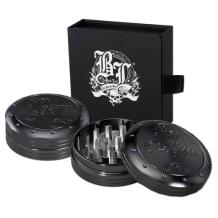
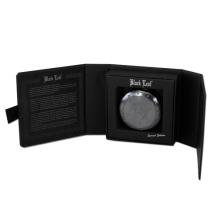
A quality grinder transforms your herbs into the perfect consistency every time. Whether you prefer a simple 2-piece crusher or a sophisticated 4-piece grinder with pollen catcher, the result is always an even, fluffy grind that burns smoothly. This collection features grinders in acrylic, aluminium, wood, and metal across various sizes. From pocket-friendly models to larger tabletop versions, there's something for every preference and budget.
36 Items

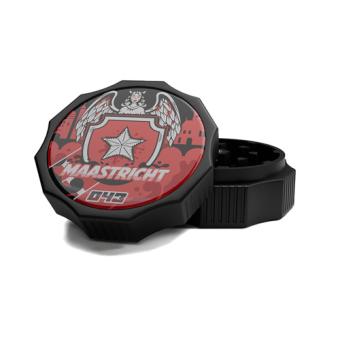
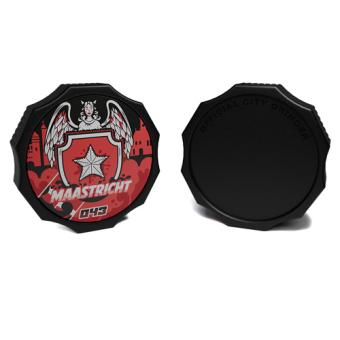
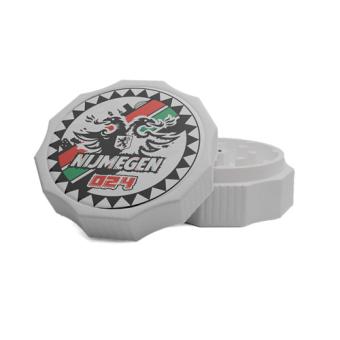
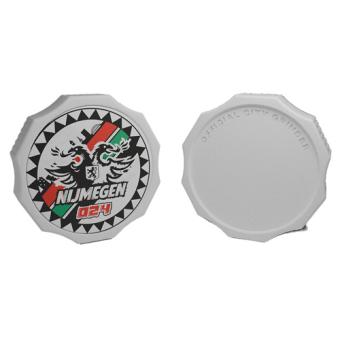


Why a grinder is essential
A grinder, also known as a crusher or herb mill, is an essential tool for anyone who regularly works with herbs. Manually breaking up herbs is not only time-consuming but also produces uneven results. A grinder delivers a consistent, fine grind that burns more evenly and allows you to get the most from your material.
Different types of grinders
2-piece grinders
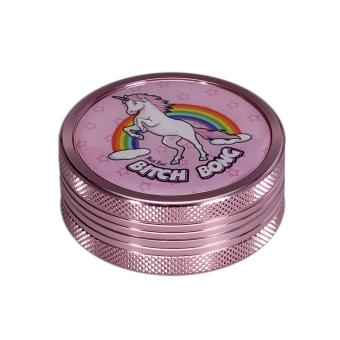
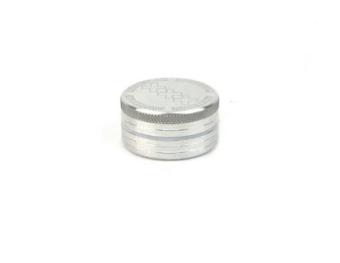
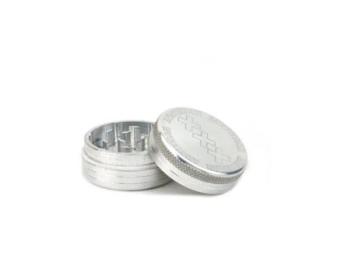
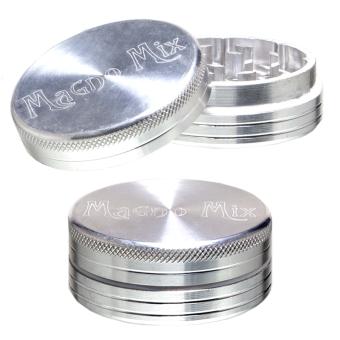
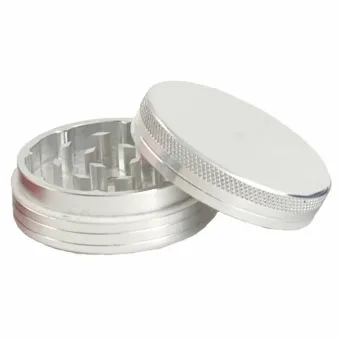
The simplest design consists of two parts with sharp teeth that interlock. You twist the two halves against each other and the teeth shred your herbs. These grinders are compact, affordable, and perfect for travel. The downside is there's no separate collection chamber and finer particles tend to get stuck between the teeth.
3-piece grinders
With a 3-piece model, ground herbs fall through holes into a separate collection compartment. This keeps your grinder cleaner and makes emptying easier. The teeth stay sharp longer because less material gets trapped between them.
4-piece grinders with pollen catcher
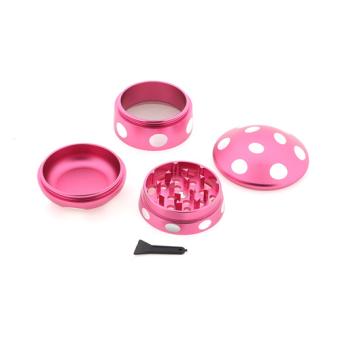
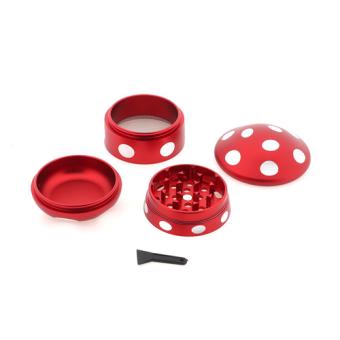
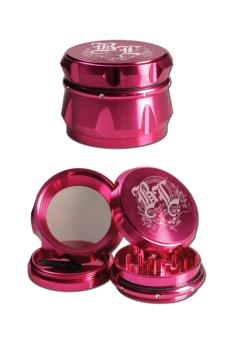
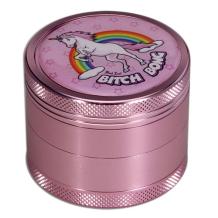
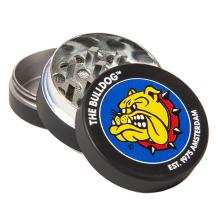
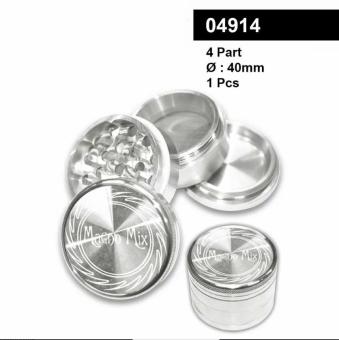
The most popular type among experienced users. Besides the grinding section and collection chamber, this variant includes a fine mesh screen with a separate compartment underneath for pollen. These fine crystals accumulate over time and can be used separately. A 4-piece grinder offers the best value for money.
5-piece and beyond
Some grinders feature extra compartments or screens with different mesh sizes. These are ideal if you want to sort your herbs by fineness or process larger quantities at once.
Materials and their properties
Aluminium grinders
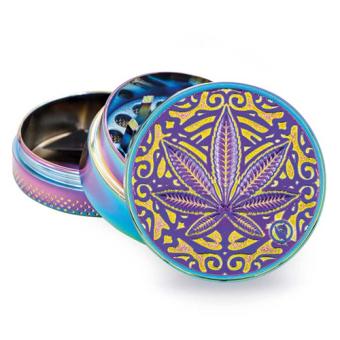
Aluminium is the most popular grinder material. It's lightweight, strong, rust-resistant, and lasts for years. High-quality aluminium grinders have CNC-machined teeth that are extremely sharp and stay that way. With cheaper variants, watch out for metal shavings coming loose during grinding.
Metal grinders
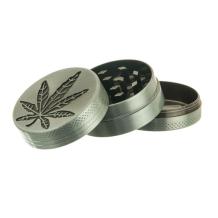
Besides aluminium, grinders come in zinc, titanium, and stainless steel. Titanium is the strongest and lightest, but also the most expensive. Zinc alloy is an affordable alternative that performs well. Stainless steel is heavier but virtually indestructible.
Wooden grinders
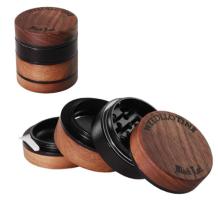
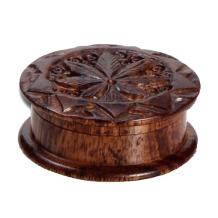
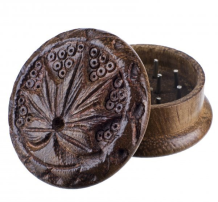
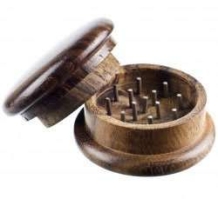
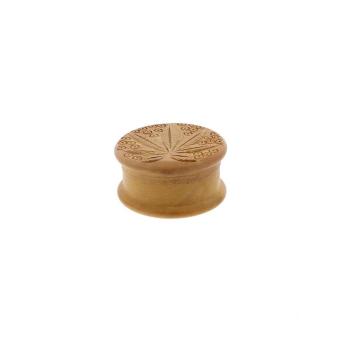
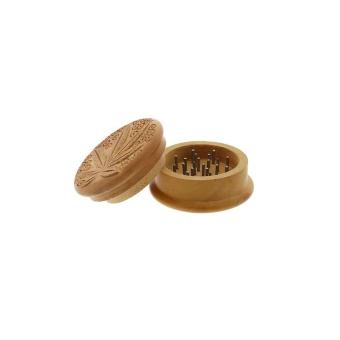
Wooden grinders have a natural aesthetic and feel comfortable in hand. They're usually 2-piece designs with metal pins as teeth. The wood can absorb scent and flavour over time, which some users actually appreciate.
Acrylic and plastic grinders
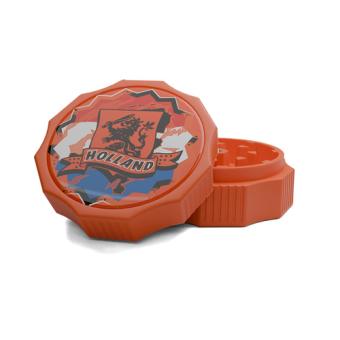
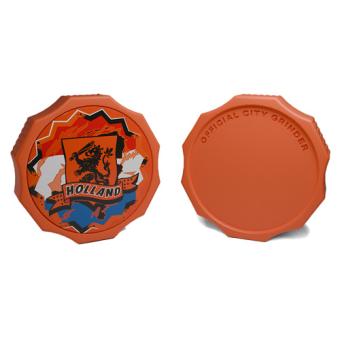
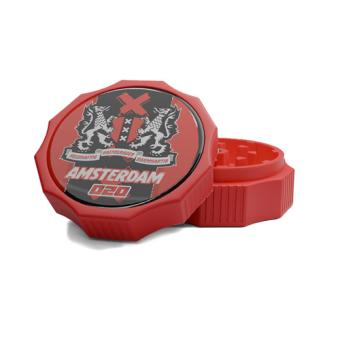
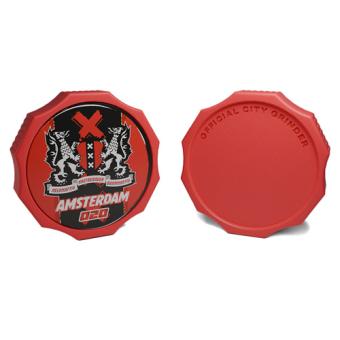
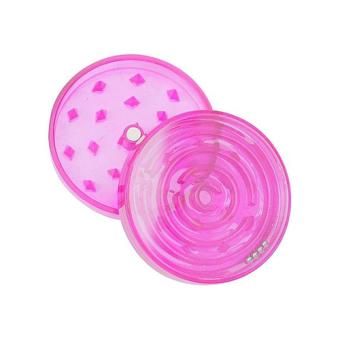
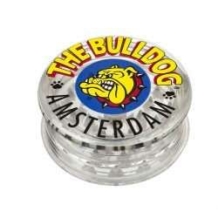
The cheapest option, ideal if you want to try a grinder without investing much. Acrylic grinders are lightweight and available in all sorts of colours and designs. They do wear faster than metal variants and the teeth can become dull after intensive use.
Tooth design and grinding quality
Not all teeth are equal. Diamond-shaped teeth are most effective, pulling material toward the centre while grinding. Straight pins also work but require more rotations for the same result. Some grinders combine different tooth shapes for optimal performance.
The number of teeth partly determines how fine the end result is. More teeth generally means a finer grind, but also more resistance while turning.
Choosing the right size
Pocket size (40-50mm)
Convenient for travel, fits in any pocket. The smaller diameter does mean you can grind less at once and turning requires more effort due to shorter leverage.
Standard size (55-63mm)
The most popular size offering a good balance between portability and capacity. Large enough for home use, small enough to take along.
Large size (75mm+)
For home use or when you regularly process larger quantities. The larger diameter makes turning effortless and you can grind more in one go.
Maintenance and cleaning
A clean grinder performs better and lasts longer. Brush out loose residue from the teeth and screen after each use. For thorough cleaning, soak metal parts in isopropyl alcohol and then scrub with an old toothbrush. Let everything dry completely before reassembling.
For wooden grinders, avoid alcohol as it can damage the wood. Wipe clean with a dry cloth and brush instead.