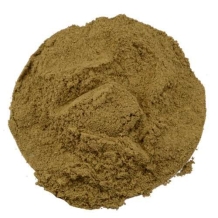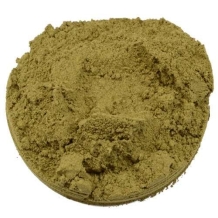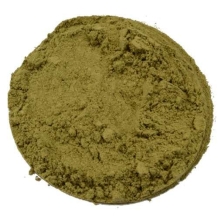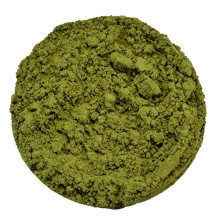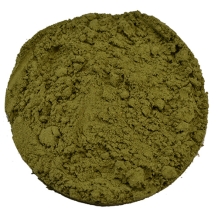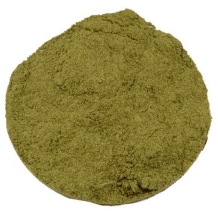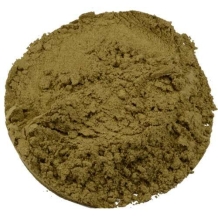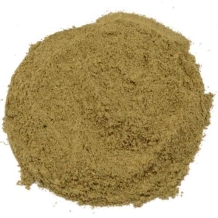
Kratom - Mitragyna Speciosa

Kratom (Mitragyna speciosa) is a tree native to Southeast Asia whose leaves have been used traditionally for centuries in Thailand, Malaysia and Indonesia. The active alkaloids, primarily mitragynine and 7-hydroxymitragynine, produce effects that vary significantly with dosage. At lower doses users typically report increased energy and sharper focus; at higher doses the experience shifts towards relaxation and calm. Avalon Magic Plants has been supplying quality kratom in powder, leaf and extract form since 2009, sourced from certified growers in Indonesia and Malaysia.

35 Items
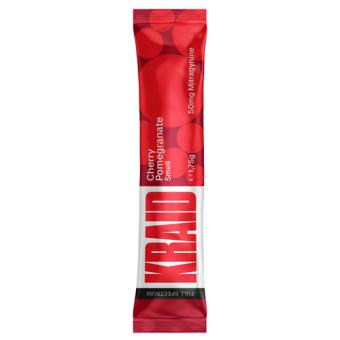
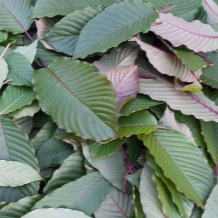
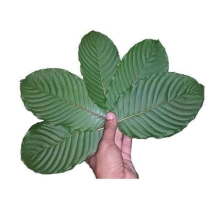
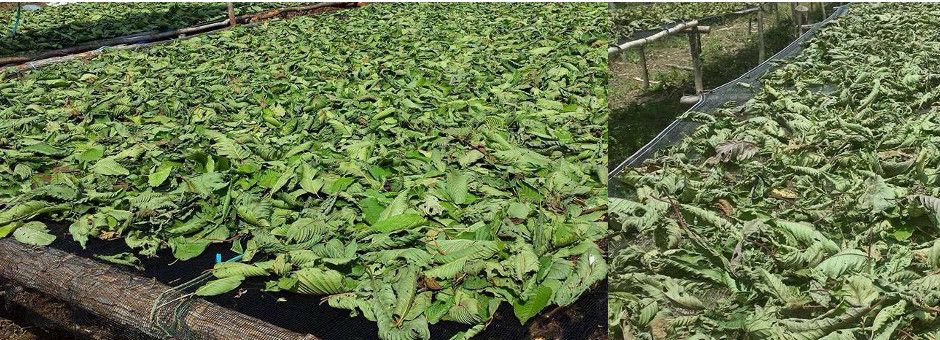
Kratom leaves drying - Mitragyna speciosa

What is kratom?

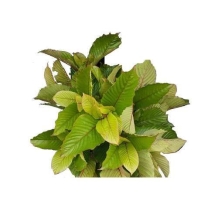
Kratom is the common name for Mitragyna speciosa, a tree in the coffee family (Rubiaceae) that grows naturally in the tropical forests of Thailand, Malaysia, Indonesia and Papua New Guinea. Its leaves contain more than forty alkaloids, with mitragynine and 7-hydroxymitragynine being the primary active compounds. Traditionally, workers and farmers chewed the fresh leaves to reduce fatigue and sustain energy through long working days in the field.

In the Western market, kratom is available as dried leaf powder, whole dried leaves and concentrated extracts. The origin and the colour of the central vein in the leaf, red vein, green vein or white vein, largely determine the type of effect you can expect.

Red vein, green vein and white vein kratom

The colour of the central vein indicates the maturity of the leaf at harvest and the resulting alkaloid profile, which directly influences the effects.

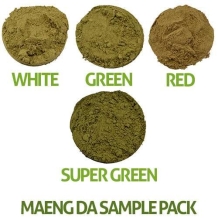
Red vein kratom is harvested from fully matured leaves and is known for its calming and relaxing properties. Users often choose red vein for the evening or whenever they want to unwind. Popular options include Borneo Red Kratom and Maeng Da Red Kratom.

Green vein kratom sits between red and white in terms of effect. Users report a balanced combination of focus, mild energy and gentle relaxation, making green vein a popular daytime choice. Well-known options are Borneo Green Kratom, Bali Green Kratom and Green Malay Kratom.
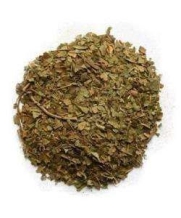
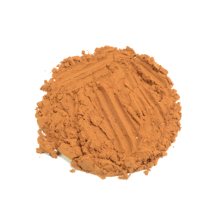
White vein kratom is harvested from younger leaves and generally has the most pronounced energising and stimulating characteristics. White vein is popular among those looking for focus and mental clarity during the day. Examples are Borneo White Kratom and Maeng Da White Kratom.

Kratom powder, leaves or extract?

Buy kratom online - Avalon Magic Plants

Kratom comes in several forms, each with its own advantages.

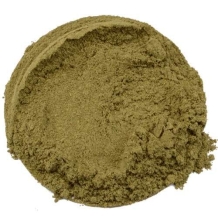
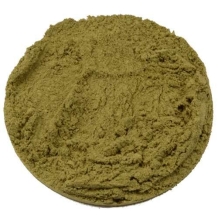
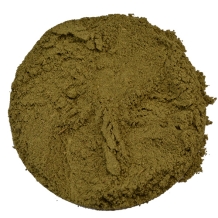
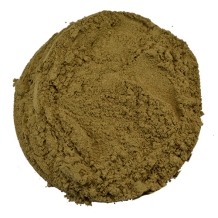
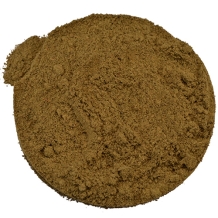
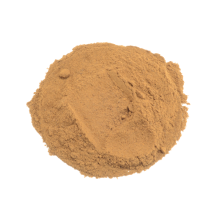
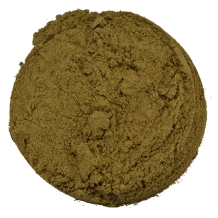
Kratom powder is the most versatile form. You can dissolve it in water or juice, blend it into a smoothie or take it using the toss-and-wash method. Powder allows precise dosing and is available in all vein colours and regional varieties.

Kratom leaves are the most traditional form. Kratom Thai Leaves and Kratom Malaysia are well suited for making tea. Pour hot water, not boiling, over the leaves and steep for 10 to 15 minutes. Strain and drink. The taste is bitter; add honey or lemon to preference.

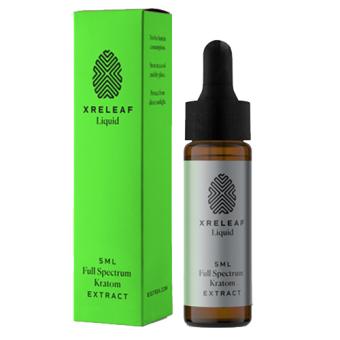
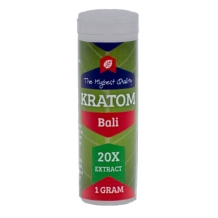
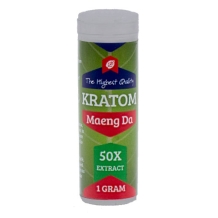
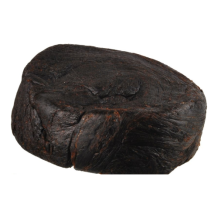
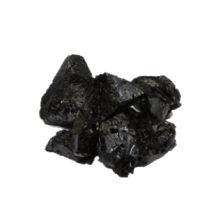
Kratom extracts are more concentrated than powder or leaves. Products like Kratom Resin Bali or the Maeng Da 60X Extract require a smaller quantity for a comparable effect. Extracts are intended for experienced users who are already familiar with kratom powder or leaves. Do not start with extracts if you have no prior experience with kratom.

Origin and popular varieties

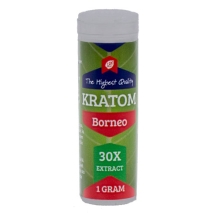
The name of a kratom strain usually refers to its region of origin. Bali kratom is produced on the Indonesian island of Bali and is known for its well-rounded profile. Borneo kratom, from the island of Borneo, is one of the most widely used varieties worldwide and is available as red vein, green vein and white vein. Thai kratom originates from Thailand, where the plant has been used traditionally for centuries. Maeng Da is not a geographical name but a Thai quality label that refers to the high alkaloid concentration of this particular selection.

Dosage and use

The right dose depends on the individual, the variety and the desired effect. A general guideline for kratom powder: always start with a low dose of 1 to 2 grams if you are trying kratom for the first time. Assess the effect after 30 to 45 minutes before considering more. Experienced users typically take 3 to 5 grams for a clearly noticeable effect. High doses above 6 to 8 grams increase the risk of side effects such as nausea, dizziness and drowsiness and are not recommended.

Take kratom on an empty stomach for faster and more pronounced effects. Drink plenty of water. Avoid daily use and alternate between varieties to limit tolerance build-up. Never combine kratom with alcohol, stimulants or other substances.

Legality

Kratom is legal to buy, possess and use in the Netherlands. In some other countries, including Australia and certain US states, restrictions or a ban may apply. Always check the legislation in your own country or region before placing an order. Avalon Magic Plants ships exclusively to countries and regions where kratom is legally permitted.

Quality and safety at Avalon

Avalon Magic Plants works exclusively with certified growers and exporters in Indonesia and Malaysia. All kratom products are checked for purity and supplied in well-sealed packaging with a clear product name and weight. Kratom is not a medicine and is not intended for the treatment, cure or prevention of any disease or condition. Consult a doctor if you have questions about interactions with medication or about use in connection with a health condition. Not suitable for persons under 18, pregnant women or women who are breastfeeding.

Got questions about the range, the differences between varieties or which option suits your situation? Contact our customer service team.
KvK: 81180705 | VAT: NL861973069B01

Frequently asked questions about kratom

What is kratom?

Kratom (Mitragyna speciosa) is a tropical tree from the coffee family (Rubiaceae), native to Southeast Asia. The leaves contain more than forty alkaloids, of which mitragynine and 7-hydroxymitragynine are the most studied. Kratom has been traditionally used in countries like Thailand, Malaysia, and Indonesia, where workers chewed fresh leaves or brewed them into tea. Today kratom is available worldwide as dried powder, capsules, extract, or pressed tablets.

What are the different types of kratom?

Kratom is classified by the colour of the leaf vein: green vein, red vein, and white vein. That colour reflects the harvest timing and processing method, which influences the alkaloid profile.

  • Green vein kratom is harvested mid-cycle. Users report a balance between stimulation and relaxation, with a mild and sustained effect.
  • Red vein kratom comes from fully mature leaves and has the highest concentration of 7-hydroxymitragynine. Users report a calming and sedating sensation.
  • White vein kratom is harvested early in the maturation cycle. Users report a stimulating and uplifting effect, loosely comparable to caffeine but with a different pharmacological profile.

There are also regional varieties such as Maeng Da, Bali, Borneo, and Thai, each with a distinct alkaloid profile shaped by soil, climate, and processing.

What are the active compounds in kratom?

The two primary alkaloids are mitragynine and 7-hydroxymitragynine. Mitragynine is the most abundant alkaloid and acts as a partial agonist at mu-opioid receptors. 7-hydroxymitragynine is present in smaller quantities but binds more potently to those same receptors. Kratom also contains speciociliatine, paynantheine, and corynantheidine, which are thought to contribute to the overall effect profile.

How do you use kratom?

The most common methods are:

  • Powder as tea: kratom powder is simmered or steeped in hot water (not boiling), then strained and drunk. This is the traditional method.
  • Toss and wash: the powder is placed directly on the tongue and washed down with water or juice. Fast, but the bitter taste is intense.
  • Capsules: pre-filled gelatin capsules bypass the taste entirely. Onset is slightly delayed as the capsule must dissolve first.
  • Extract: concentrated kratom in liquid or solid form. For experienced users only, due to higher potency per gram.
  • Mixed with a drink: kratom powder stirred into orange juice or another acidic drink, which partly masks the bitterness.
What is the right kratom dosage?

Kratom has a strongly dose-dependent effect profile. At lower doses, users report more stimulating effects; at higher doses, more sedating ones. Always start low and build gradually.

  • Low (1 to 3 grams): mildly stimulating; users report increased energy and focus.
  • Moderate (3 to 5 grams): users report a balance between stimulation and relaxation, depending on the variety.
  • High (5 to 8 grams): users report strongly calming and sedating effects. Risk of side effects increases.
  • Above 8 grams: not recommended, especially for beginners. Risk of nausea, dizziness, and excessive sedation.

Factors that influence the right dose include body weight, individual sensitivity, the type of kratom, product quality, and whether you take it on an empty stomach.

This product is not a medicine.

When do the effects start and how long do they last?

With oral ingestion, effects typically begin within 15 to 30 minutes. On an empty stomach this may be faster. Peak effects are reached after roughly 45 to 90 minutes. Total duration depends on dose and the individual, but generally falls between three and six hours. Extracts act faster and more intensely, but also wear off sooner.

What is the difference between kratom powder and kratom extract?

Kratom powder is ground dried leaf from Mitragyna speciosa, unprocessed and containing the plant's full alkaloid profile. Kratom extract is a concentrated product in which the active compounds have been isolated from the plant material. A 10x extract means ten times the amount of leaf material was used to produce the same quantity of end product, making it considerably more potent per gram than standard powder. Beginners are advised to start with powder and only move to extract once they have a solid understanding of their own sensitivity.

Can kratom be addictive?

Kratom acts on the same receptors as opiates, and with prolonged heavy use, tolerance can develop. Users who stop abruptly after extended daily use report withdrawal symptoms including restlessness, muscle aches, irritability, and sleep disturbances. The risk of dependence increases with daily use and high doses. Responsible use, regular rest days, and avoiding daily consumption significantly reduce this risk.

Is kratom safe to use?

For most healthy adults, kratom is considered safe at occasional and low doses. There are still risks, particularly at higher doses, in combination with other substances, or with underlying health conditions. Always consult a doctor if you are unsure whether kratom is suitable for you. Kratom is not a medicine and is not offered as one.

What side effects can kratom cause?

Commonly reported side effects, particularly at higher doses, include:

  • Nausea and vomiting
  • Dizziness and headache
  • Dry mouth
  • Constipation with regular use
  • Increased urination
  • Drowsiness or conversely, sleep disturbances
  • Reduced appetite

Most side effects resolve once the dose has worn off. If symptoms persist, stop use and consult a doctor.

Can kratom be combined with alcohol or medication?

Never combine kratom with alcohol, benzodiazepines, opiates, or other central nervous system depressants. This significantly increases the risk of serious adverse effects. Combining with stimulants such as caffeine or amphetamines is also not recommended. If you use medication, always consult a doctor or pharmacist before using kratom, due to possible interactions via liver enzymes (CYP450 system).

Is kratom legal?

In the Netherlands, kratom is legal. It is not on the Opium Act's list of prohibited substances. The legal status varies by country: in Germany, for example, Kratom is legal, however, in Belgium, kratom's status is unclear. Always check your country's laws and import regulations before placing an order. Avalon Magic Plants is not responsible for imports to countries where kratom is banned.

What is the difference between Maeng Da, Bali, and Borneo kratom?

Maeng Da is one of the best-known kratom varieties, selected for a high alkaloid content. The name roughly translates to "pimp grade" in Thai and refers to quality selection at harvest. Bali kratom actually comes from Borneo (despite the name) and is known as a mild, beginner-friendly variety. Borneo kratom has a relatively high 7-hydroxymitragynine content and is associated by users with a more sedating effect. Differences between strains are subtle and shaped by cultivation, harvest timing, and processing.

Can I take kratom on an empty stomach?

Kratom acts faster and more intensely on an empty stomach, which can amplify the effect but also increase the chance of nausea. If you are sensitive to an empty stomach, have a light snack 30 to 60 minutes before taking kratom. Avoid heavy meals directly before use, as this significantly delays absorption.

How do you store kratom?

Store kratom in a cool, dry, and dark place, away from direct sunlight, moisture, and heat. UV light and moisture are the main degraders of kratom alkaloids. A well-sealed jar or bag at room temperature is ideal. Properly stored powder retains its quality for up to two years. Always check the expiry date on the packaging.

Who should not use kratom?

Kratom is not suitable for:

  • People under 18 years of age
  • Pregnant or breastfeeding women
  • People with liver or kidney conditions
  • People with a history of addiction
  • People taking medication metabolised via the CYP450 system
  • People with serious cardiovascular conditions

When in doubt, always consult a doctor. This product is not a medicine.

What is kratom tea and how do you make it?

Kratom tea is the traditional preparation and one of the mildest ways to use kratom. Add the desired amount of powder to water at around 80 to 85 degrees Celsius (not boiling, as high temperatures can degrade alkaloids). Add a squeeze of lemon juice: the acidic environment helps the alkaloids dissolve more effectively. Steep for 15 to 20 minutes, strain, and drink. The taste is bitter; honey or ginger can soften it. Do not discard the remaining powder: a second infusion is weaker but still active.

What is the difference between kratom and kava?

Kratom and kava are both popular botanical products, but they work in fundamentally different ways. Kratom (Mitragyna speciosa) acts via opioid receptors and has a strongly dose-dependent profile. Kava (Piper methysticum) acts via GABA receptors and has a primarily relaxing and anxiolytic effect without stimulating properties. Kava carries no significant risk of physical dependence with normal use. Kratom does carry a dependence potential with heavy use. The two are sometimes combined, but this is not recommended without prior experience with each product separately.

Is there a kratom rotation schedule to prevent tolerance?

Experienced kratom users recommend a rotation schedule to prevent tolerance. This means alternating between different kratom varieties (e.g. green vein on Monday, red vein on Thursday) rather than using the same strain daily. Rest days are essential: at least two to three days per week without kratom helps keep tolerance low. A widely used approach is no more than three to four times per week, never two days in a row.

How does kratom differ from coffee?

Kratom and coffee both belong to the Rubiaceae family and are botanically related. But their active compounds and effect profiles are entirely different. Coffee contains caffeine, which acts via adenosine receptors. Kratom contains mitragynine and 7-hydroxymitragynine, which act via opioid receptors. At low doses, kratom has a stimulating profile that superficially resembles coffee, but the underlying pharmacology is fundamentally different.

Kratom warnings

Do not combine kratom with alcohol, opiates, benzodiazepines, or other psychoactive substances. Do not use during pregnancy or breastfeeding. Not suitable for people under 18. Driving or operating machinery after use is not recommended. Do not use kratom if you take medication without consulting a doctor first. Keep out of reach of children.