


Kanna (Sceletium tortuosum)
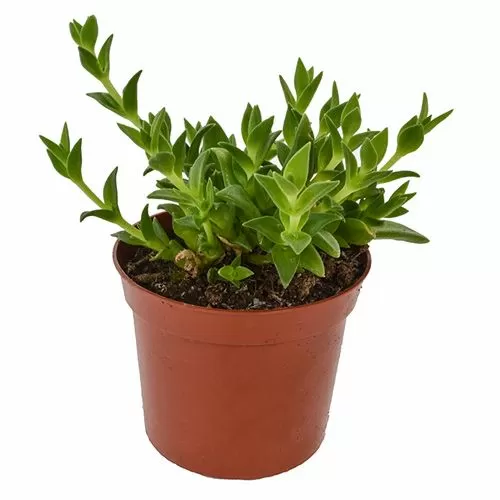
Kanna, scientifically known as Sceletium tortuosum, is a succulent from the Aizoaceae family, native to the semi-arid regions of South Africa. The plant contains mesembrine alkaloids and has a long ethnobotanical history among the San and Khoikhoi peoples. At Avalon Magic Plants, we have been importing high-quality kanna directly from South Africa since 2009.
History and traditional use
The use of kanna is closely associated with the Khoisan peoples of Southern Africa. One of the earliest written references in a colonial context dates to the 17th century. Traditional applications include use during social and ritual situations, long journeys (where it reportedly suppressed hunger and thirst), and for pain relief in traditional settings. The name "kanna" is sometimes symbolically linked to the eland antelope (Taurotragus oryx) in San traditions, though interpretations vary across sources (Gericke & Viljoen, 2008).
Active compounds

Sceletium tortuosum contains several alkaloids from the mesembrine class: mesembrine, mesembrenone, mesembrenol and related compounds (Harvey et al., 2011). Mesembrine is considered the most prominent alkaloid, with documented activity on serotonergic systems. The total alkaloid content varies depending on growing conditions, harvest time, fermentation and origin.
Mechanisms of action
Kanna alkaloids are associated with multiple biological pathways in the scientific literature. Mesembrine has been described as an inhibitor of serotonin reuptake (via SERT), which may contribute to effects on mood and stress perception (Harvey et al., 2011). Certain extracts additionally show PDE4-inhibiting properties, a pathway involved in inflammation and cognition (Terburg et al., 2013). Reviews also discuss possible influence on monoamine systems (serotonin, dopamine, noradrenaline), depending on the alkaloid profile (Olatunji et al., 2021). These mechanisms describe biological plausibility and do not automatically equal clinically proven effects.
Scientific research
Most human research has been conducted with standardised kanna extracts (such as Zembrin®). A double-blind, placebo-controlled crossover study reported changes in amygdala reactivity after an acute dose of 25 mg Zembrin® (Terburg et al., 2013). Later research with healthy volunteers reported reduction of subjective stress and anxiety during experimental tasks (Reay et al., 2020). A separate study in older adults suggested effects on cognitive flexibility and executive functions after daily intake of 25 mg for three weeks (Chiu et al., 2014). Individual response varies, and results in healthy volunteers do not automatically apply to clinical populations.
Traditional preparation: fermentation
Traditionally, kanna is fermented into "kougoed". Fresh plant material is crushed and stored in a warm place for several days, then dried. This process changes the alkaloid profile and may reduce oxalic acid content (Patnala & Kanfer, 2009). User reports and ethnobotanical sources consistently describe a smoother effect after fermentation compared to unprocessed material.
Methods of use
Kanna can be used in several ways. Chewing or sublingual use allows relatively fast absorption through the oral mucosa. Tea provides a slower onset with often longer duration; use hot (not rolling boiling) water. Nasal use (snuff) gives the fastest onset but may cause irritation. Smoking or vaporising also offers fast onset with shorter duration. Capsules and standardised extracts provide more consistent dosages.
Dosage
There is no universal dosage, as potency varies per product and batch. Start low and build up gradually. For dried leaves (tea), 200–500 mg is considered mild and 600–1000 mg stronger. Sublingual powder typically ranges from 50–200 mg. Standardised extracts: follow the manufacturer's advice; clinical studies often used 25–50 mg/day. If you take medication, always consult a doctor first.
Safety, side effects and interactions
Kanna has a long history of use, but "traditionally used" does not guarantee safety in every context. A 90-day toxicity study in rats with a standardised extract (Zembrin®) reported a NOAEL within the investigated dosages (Murbach et al., 2014). At normal dosages, side effects are usually mild: headache, nausea (especially with first use), irritability, insomnia or increased blood pressure. Do not combine kanna with serotonergic medication (SSRIs, SNRIs, MAO inhibitors) without medical advice, due to the risk of unwanted serotonergic effects, including (in rare cases) serotonin syndrome. Exercise caution during pregnancy, breastfeeding, with heart conditions, or in minors. Kanna is not a hallucinogen; users typically describe relaxation, focus, social ease or mild euphoria.
Legality
Kanna is freely available in the Netherlands and is not listed on the Opium Act schedule. Regulations may differ per country, so check local legislation if you are ordering from abroad.
Avalon Magic Plants: kanna specialists since 2009
We import kanna directly through trusted supply lines in South Africa. Where possible, we choose suppliers with sustainable harvesting practices. Our products are processed with attention to quality, batch consistency and hygiene (HACCP). Browse our full kanna range:

- Kanna leaves — traditional use (tea/chewing)
- Shredded kanna — easier to dose
- Full Spectrum extract — broad alkaloid profile
- Premium Extreme Strong — for experienced users
- Krystal Ultimate — high potency
- Happy Calming extract — relaxation
- Merry Stony extract — euphoric effect
- Kanna 10X extract
- Kannagizer capsules
- Smokanna extract
This information is intended for educational purposes only and is not intended as medical advice. Consult a doctor or pharmacist before using kanna, especially if you take medication, are pregnant, breastfeeding or have health complaints.