


Mescaline Cacti
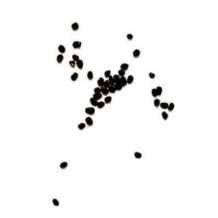
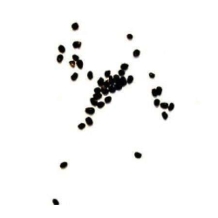
Mescaline cacti are among the oldest psychedelics in the world, with a history of use spanning over 5,000 years. The San Pedro (Echinopsis pachanoi) and Peyote (Lophophora williamsii) are the most well-known species and were traditionally used by indigenous peoples in Mexico and South America during spiritual ceremonies. At Avalon Magic Plants you will find an extensive selection of cuttings, seeds and mature cacti to grow yourself.
40 Items
.png)

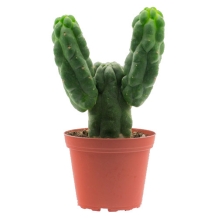
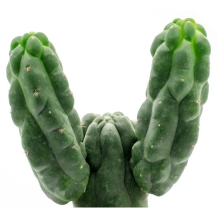
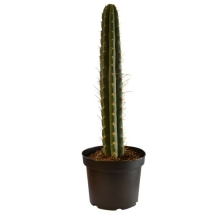
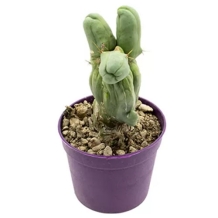
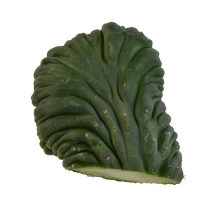
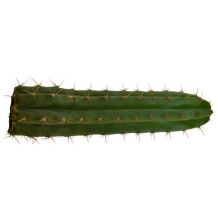
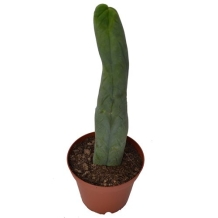
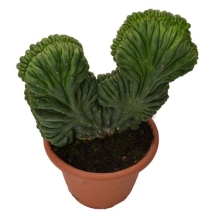
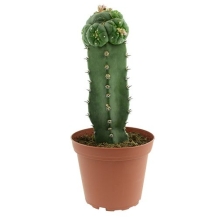
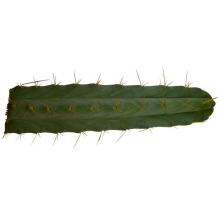
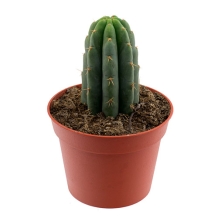
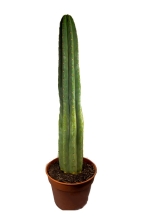

Mescaline Cacti at Avalon Magic Plants
Mescaline cacti are legendary in the world of psychedelics. The alkaloid mescaline was first isolated in 1897 by German chemist Arthur Heffter and synthesized in 1918 by Ernst Späth. But the use of these cacti goes back thousands of years further. Archaeological findings show that the Peyote cactus has been used for over 5,700 years by indigenous peoples in Mexico. At Avalon Magic Plants, we have been offering a carefully curated collection of mescaline cacti since 2009, from small cuttings to mature specimens.
Peyote: The Sacred Cactus of Mexico
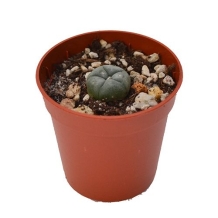
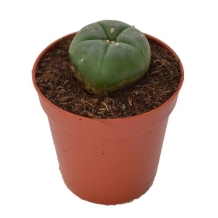
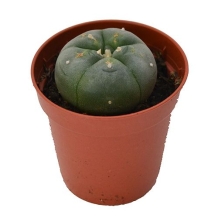
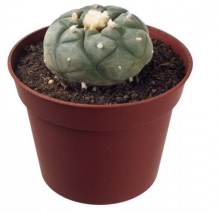
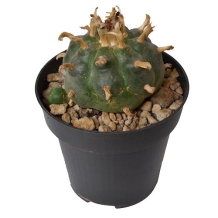
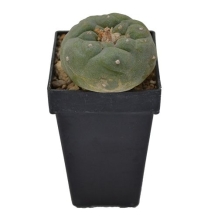
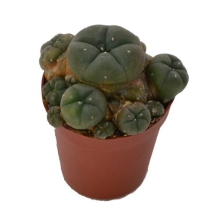
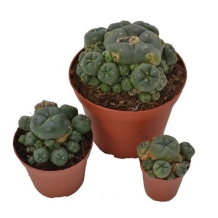
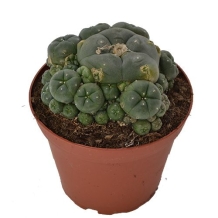
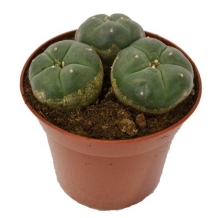
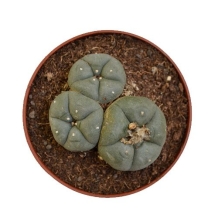
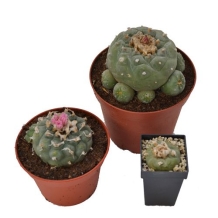
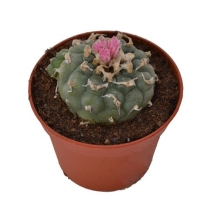
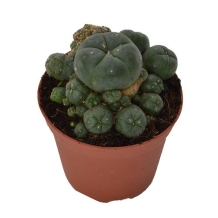
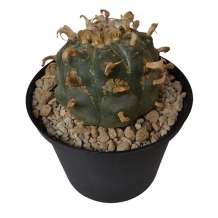
The Peyote (Lophophora williamsii) is a small, round cactus without spines that grows low to the ground. This cactus is known as the most powerful psychedelic cactus in the world. The Huichol Indians in Mexico have been using Peyote for centuries during religious ceremonies, a practice that is even legally permitted in the United States for certain indigenous groups. In addition to mescaline, Peyote contains the alkaloid hordenine (N,N-dimethyltyramine), an MAO-B inhibitor that can slow down the breakdown of mescaline. A Peyote cactus needs approximately five years to grow large enough for consumption, making this cactus particularly valuable.
San Pedro: The Gatekeeper of Heaven
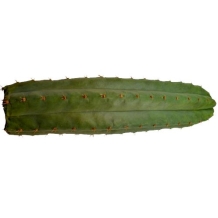
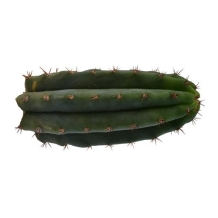
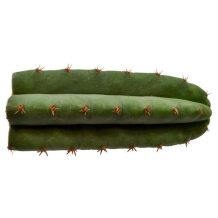
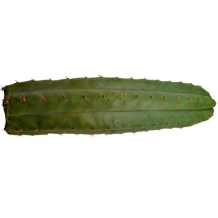
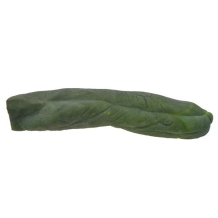
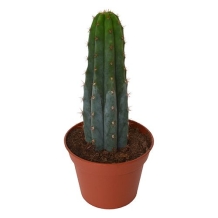
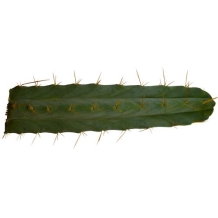
The San Pedro cactus (Echinopsis pachanoi) owes its name to Saint Peter, the gatekeeper of heaven, because of the heavenly visions it can produce. This columnar cactus originates from the Andes of Ecuador and Peru, where it grows at altitudes between 2,000 and 3,000 meters. San Pedro contains mescaline and even traces of DMT. The cactus grows considerably faster than Peyote, making it a popular choice for growers. The mescaline content varies per specimen and depends on growing conditions such as humidity, soil quality and temperature.
Peruvian Torch and Other Trichocereus Species
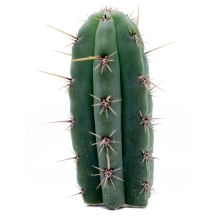
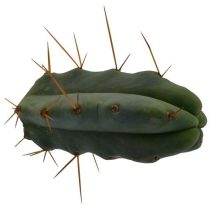
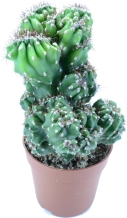
The Peruvian Torch (Trichocereus peruvianus) is a fast-growing columnar cactus from the western slopes of the Andes in Peru. This species is known for its high psychoactive potency, sometimes even stronger than San Pedro. The cactus can take root after the first year and then grows 10 to 50 centimeters per year. In addition to the Peruvian Torch, we also offer other Trichocereus and Echinopsis species, each with their own characteristics and alkaloid profiles.
Growing Cacti
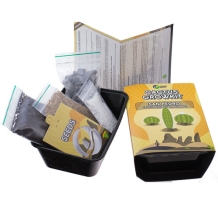
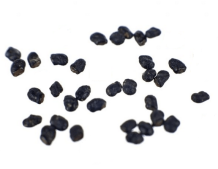
Growing mescaline cacti requires patience but is not difficult. Plant the seeds in a mix of soil and gravel and ensure sufficient sunlight and warmth. Important: cacti store nutrients and can rot with too much water. Only water when the soil has completely dried out. In winter, cacti need a rest period with minimal water. With proper care, you can enjoy your cacti for many years.
Effects of Mescaline
Mescaline produces intense visual hallucinations and altered states of consciousness. Many users describe a feeling of euphoria and heightened awareness. The experience is often described as profound and spiritual, although some users may also experience feelings of anxiety. The effects last considerably longer than with many other psychedelics.
Why Avalon Magic Plants?
Avalon Magic Plants has been supplying high-quality ethnobotanical products to customers throughout Europe since 2009. Our mescaline cacti are carefully selected and shipped. Although we cannot guarantee live plants due to their sensitivity during transport, our customer service team is ready to help you with any issues. Read more about who we are or check out our blog for extensive information about cacti and other ethnobotanical plants. Questions? Contact our customer service.