

20 Oct 2026
Syrian Rue (Peganum harmala): Effects, Risks and Interactions
Syrian rue (Peganum harmala), also known as harmal or esfand, is a tough steppe plant with small bro...

Cookie preferences are currently closed.

In this category you will find all ingredients for the traditional ayahuasca brew from the Amazon region. We offer Banisteriopsis caapi in various forms (red, yellow, black), DMT-containing plants such as Mimosa hostilis, Psychotria viridis and Diplopterys cabrerana, plus supplementary herbs and extracts. All our products come from certified suppliers and are checked for quality.
30 Items
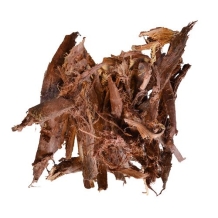
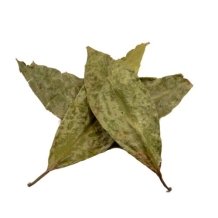
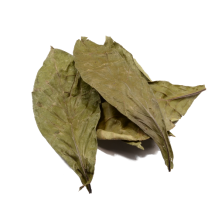
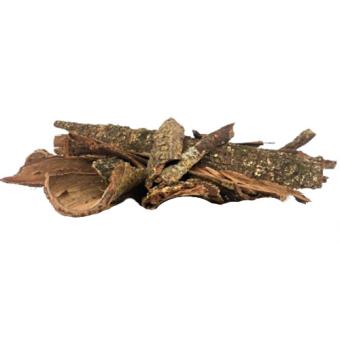
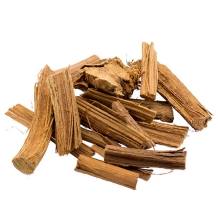
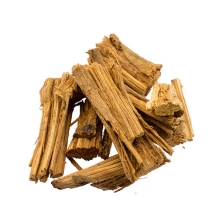
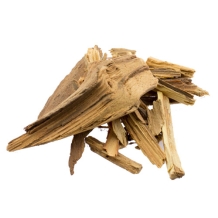
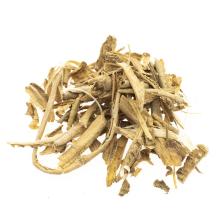

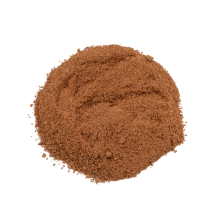
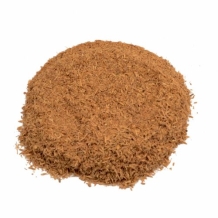
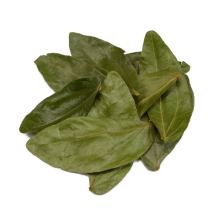
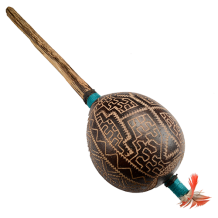
Ayahuasca is a traditional brew that has been used for centuries by indigenous peoples in the Amazon region of Peru, Ecuador, Colombia and Brazil. The name comes from Quechua and means "vine of the soul". The brew typically combines two main components: an MAO-inhibiting plant and a DMT-containing plant. The specific ritual use of ayahuasca was already widespread among indigenous groups by the nineteenth century, though its precise origin is uncertain. Some researchers estimate the practice goes back thousands of years, based on archaeological finds of snuff paraphernalia in the region. Since 2009, we have been supplying the individual botanical ingredients to customers throughout Europe.
What makes ayahuasca remarkable from a pharmacological standpoint is the precision of this plant combination. Under normal circumstances, DMT is rapidly broken down in the human body by the enzyme monoamine oxidase (MAO). The beta-carboline alkaloids in B. caapi temporarily inhibit this enzyme, allowing DMT to become orally active through the gastrointestinal tract. Western scientists only fully understood this mechanism in the 1980s, yet Amazonian peoples had been applying it for centuries. How they arrived at this exact combination among the roughly 80,000 plant species in the Amazon remains one of the great mysteries of ethnobotany.
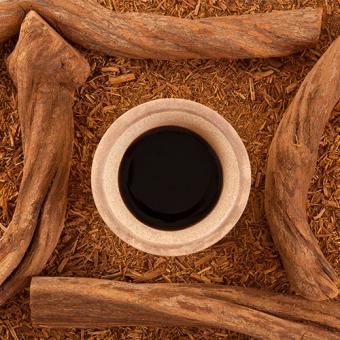
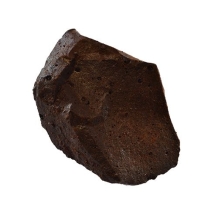
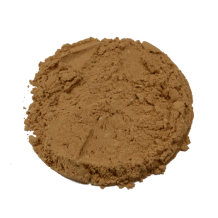
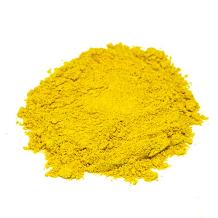
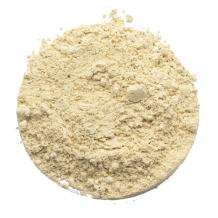
The Banisteriopsis caapi vine, also called "the vine", forms the basis of every traditional ayahuasca recipe. This plant contains the MAO-inhibiting alkaloids harmine, harmaline and tetrahydroharmine. Without these substances, DMT would be immediately broken down by the body and have no effect. We offer B. caapi in three variants: red (Cielo), yellow (Trueno) and black (Negra), each with a slightly different alkaloid profile. We also sell concentrated extracts in various strengths, from 5:1 to 30:1.
Banisteriopsis caapi is a climbing vine from the Malpighiaceae family that can grow up to thirty metres in length. The plant thrives in the tropical rainforests of South America, where it spirals upward along trees in search of sunlight. The stem displays a characteristic braided structure that, when cut in cross-section, reveals between five and seven distinct segments depending on the variety. Scientific analyses show a beta-carboline content ranging from 0.11% to 0.83% in the stems, with considerable variation between individual plants. Wild-harvested specimens tend to contain higher average harmine concentrations than cultivated plants, suggesting that rainforest growing conditions influence the alkaloid profile.
The three alkaloids in B. caapi each serve a distinct function. Harmine is typically present in the highest concentration and is the most potent MAO inhibitor of the three. Tetrahydroharmine (THH) not only inhibits MAO but also blocks serotonin reuptake, similar to the mechanism of action of SSRI antidepressants. Harmaline, present in lower concentrations, contributes to the overall MAO-inhibiting effect. Recent studies suggest that harmine and harmaline also interact with serotonin and benzodiazepine receptors. Within the shamanic worldview, the vine is considered the true "teacher" of the brew and the source of wisdom, while the DMT-containing plant merely provides the visual component.
In the shamanic tradition, practitioners distinguish different "colours" of caapi. The yellow variety (cielo) is regarded as the mildest and is traditionally the vine with which newcomers are initiated. The red variety (rojo) has a somewhat more intense profile and is widely used by experienced practitioners. The black variety is associated with the most powerful effects and is traditionally reserved for the very experienced. While scientific research has not yet demonstrated significant differences in total beta-carboline content, experienced users consistently report distinct character differences between the varieties.
In addition to the raw vine, we offer concentrated extracts. Our 30:1 resin extracts are the most concentrated: 30 grams of plant material per gram of extract, supplied as a solid dark brown resin. The liquid 15:1 extracts offer the advantage of easier dosing. For those specifically seeking pure alkaloids, we carry Harmala HCL Isolate 98% and Harmala Freebase isolate 99%, highly purified extracts for botanical research and analytical purposes.
The second essential component contains DMT (dimethyltryptamine), the substance responsible for the visual and psychedelic effects. In our range you will find the most commonly used sources: Psychotria viridis (chacruna) leaves from Peru, Diplopterys cabrerana (chaliponga) and Mimosa hostilis root bark from Brazil. We also offer Acacia confusa, a DMT source traditionally used in Asia.
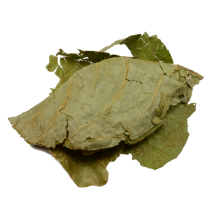
Psychotria viridis, known as chacruna in Quechua, is the most commonly used DMT source in the western Amazon. It is a shrub from the coffee family (Rubiaceae) that grows in the rainforest understorey. Chacruna is the standard DMT source in the Peruvian and Brazilian ayahuasca traditions, and is also the plant used by the Brazilian ayahuasca churches Santo Daime and União do Vegetal. Our chacruna leaves come from Peru and are sun-dried after harvest, a method that preserves the DMT content more effectively than mechanical drying. Upon arrival, we inspect every batch for colour, scent and leaf integrity.
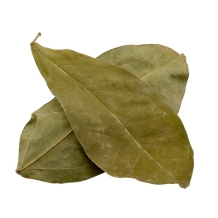
The quality of chacruna varies considerably between suppliers and harvest moments. We have been working with the same Peruvian grower for years, who picks the leaves when they are fully mature, the point at which our experience shows the DMT content is highest. Properly dried chacruna has an olive-green colour and a characteristic, slightly bitter aroma. Leaves dried too quickly or at too high a temperature turn brown and lose potency. You notice this difference immediately when opening the packaging.
Diplopterys cabrerana, better known as chaliponga, is a second DMT source used primarily in Colombia and Ecuador. The leaves contain not only DMT but also 5-MeO-DMT and bufotenine, resulting in a different profile compared to chacruna. In the Colombian tradition, the brew made with chaliponga is often called yagé. Chaliponga is considered stronger than chacruna and is therefore traditionally added in smaller quantities.
Mimosa hostilis, now officially classified as Mimosa tenuiflora, is a tree native to northeastern Brazil. The inner root bark contains relatively high concentrations of DMT. The plant is not traditionally used in the Amazon basin but has its own ritual history in the jurema traditions of the Brazilian Nordeste. The jurema preta ceremony has roots that may predate ayahuasca use in the Amazon. Mimosa hostilis has become popular in recent decades as a DMT source in so-called ayahuasca analogues: preparations that follow the same pharmacological principle as traditional ayahuasca but use non-traditional plants. Our mimosa hostilis root bark is sourced sustainably from Brazil.
Acacia confusa is a tree originally from Taiwan that also contains DMT in its root bark. The DMT content can vary significantly from one individual tree to the next and depending on the harvesting method. In Asia and Australia, this plant is used as an alternative DMT source. Together with Mimosa hostilis, Acacia confusa forms the basis of what are known as "ayahuasca analogues": preparations that use the same pharmacological combination of MAO inhibitor plus DMT source, but with plants not traditionally used in the Amazon. The term "pharmahuasca" is sometimes used for preparations using isolated alkaloids instead of whole plants.
In addition to the core components, we sell various supplementary plants that are traditionally added to ayahuasca. Bobinsana (Calliandra angustifolia) is known for its dream-enhancing properties. Clavo huasca is added for its warming effect. Yopo seeds (Anadenanthera peregrina) and related snuff mixtures can also be found in this category.
Bobinsana is a water-loving tree from the mimosa family that grows along riverbanks. The Shipibo-Conibo, an indigenous group that plays a central role in contemporary ayahuasca culture, regard bobinsana as a powerful "plant teacher" with its own icaros (healing songs). Clavo huasca (Tynnanthus panurensis) takes its name from its clove-like scent and is used in traditional Peruvian herbal medicine as a warming agent.
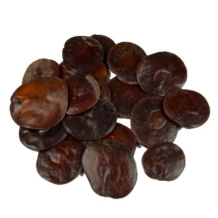
Yopo seeds (Anadenanthera peregrina) have been used by indigenous peoples for thousands of years, with archaeological evidence dating back at least 4,000 years. The seeds contain bufotenine and related tryptamines and are traditionally roasted, ground and inhaled as snuff. This practice is distinct from the ayahuasca tradition but belongs to the same broader spectrum of entheogenic plant practices in South America.
The red Virola theidora bark comes from a tree in the nutmeg family (Myristicaceae). Virola species have a long history in the snuff traditions of Amazonian peoples. The Yanomami prepare from the red resin of Virola trees the snuff called epëna, which is used in ritual contexts.
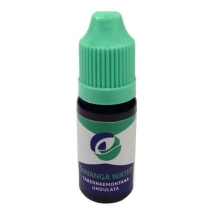
Our range also includes two products not used directly in the ayahuasca brew but closely connected to the ceremonial traditions of the Amazon. Kambo is the secretion of the Phyllomedusa bicolor tree frog, used by indigenous groups such as the Matsés for generations in purification rituals. Sananga (Tabernaemontana undulata) are eye drops traditionally used by hunters in the Amazon basin. Both products are offered as ethnobotanical specimens.
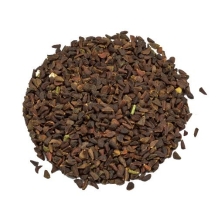
Beyond Banisteriopsis caapi, there are other sources of MAO-inhibiting alkaloids. The most important is Peganum harmala (Syrian Rue), a plant from the Middle East and Central Asia. It contains the same beta-carboline alkaloids as B. caapi, namely harmine and harmaline, but in much higher concentrations. The seeds have been used for thousands of years in Persian and Arabic traditions, including as incense (espand) for ritual purification.
The alkaloid profile of Peganum harmala differs from B. caapi: relatively more harmaline and less THH, which according to experienced users results in a distinctly different character. The difference between HCL (hydrochloride) and freebase isolates lies in the chemical form: HCL is a salt that dissolves more readily in water, while freebase is the unbound base. Both forms are used for botanical research.
Peganum harmala has a remarkably broad historical and geographical distribution. In Iran, espand has been used in purification rituals for at least two thousand years, and the substance features in Persian, Arabic, Turkish and North African traditions. In Morocco it is used against the evil eye, in Turkey during childbirth. It is thus one of the few plants that plays a central role in both the shamanic traditions of South America (via B. caapi) and the folk customs of the Middle East and North Africa (via P. harmala), albeit through different plant species containing similar alkaloids.
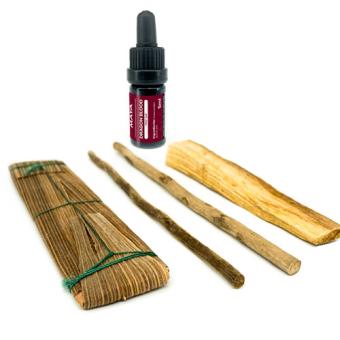
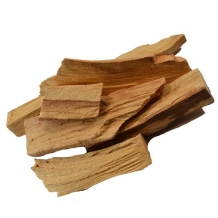
In addition to the direct brew ingredients, this category also features ritual items traditionally used during ceremonies. Palo santo (Bursera graveolens) is an aromatic wood from the Andes and the coastal regions of South America. It has been burned as incense during ceremonies for centuries and is considered purifying. The sweet, resinous scent of burning palo santo is, for many, inseparable from the atmosphere of ceremonial spaces.
The Shipibo maraca (rattle) is a percussion instrument that curanderos use during ceremonies. The Shipibo-Conibo are an indigenous group from the Ucayali basin in Peru whose characteristic geometric patterns, called kené, are inspired by visions and applied to ceramics, textiles and body decoration. Our Shipibo maraca is handmade in Peru.
Western scientific investigation of ayahuasca began in the nineteenth century when botanist Richard Spruce formally described the Banisteriopsis caapi vine in 1851. He brought samples of the brew back to Europe, but it took well over a century before the mechanism of action was fully understood. It was not until the 1980s that Dennis McKenna and colleagues formulated the "interaction hypothesis" explaining how the MAO-inhibiting beta-carbolines from B. caapi enable the oral activation of DMT.
Since then, scientific research into ayahuasca has grown steadily. Recent laboratory studies suggest that the beta-carbolines from B. caapi may stimulate the formation of new nerve cells (neurogenesis) in adult brain tissue. Harmine, THH and harmaline were shown in vitro to promote the growth, migration and differentiation of neural stem cells. This research is still in its infancy and no clinical conclusions can be drawn from it, but it illustrates the growing scientific interest in these plants.
A fascinating observation from recent research is that the composition of the brew changes during the preparation process. Analyses by Brazilian researchers showed that harmine is partially converted to harmaline and subsequently to THH during boiling. This means the ratios between the three alkaloids in the final brew differ from those in the raw plant material, a subtlety that traditional preparers have known empirically for centuries but which science has only recently confirmed.
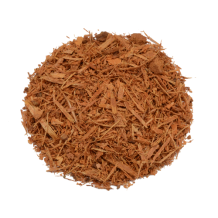
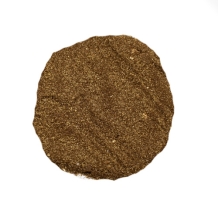
The choice between the various products in our range depends on your specific interest. For those interested in the Banisteriopsis caapi vine as a botanical specimen, we offer three colour varieties as shredded vine or powder, plus concentrated extracts for those who want less volume to store. The shredded form lets you see the original structure of the vine, while powder provides a larger surface area. Extracts are more compact and concentrated.
Among the DMT-containing plants, chacruna is the most traditional choice for those following the Peruvian tradition, while chaliponga aligns with the Colombian tradition. Mimosa hostilis is primarily used in the context of ayahuasca analogues. For those specifically interested in the MAO-inhibiting component without the full vine, our Peganum harmala seeds and isolated alkaloids offer an alternative. If you are unsure about the right choice, you can always get in touch via our customer support.
Dried plant material such as shredded vine, leaves and bark will keep for years when stored correctly. Store dried herbs and bark in an airtight container in a cool, dark place. A kitchen cupboard away from the stove works well, a pantry or cellar even better. Avoid the fridge for dried material, as the temperature differential when opening can cause condensation.
Liquid extracts and resin extracts are best kept in the fridge, tightly sealed. Resin extracts become harder and more brittle at cold temperatures, which is normal and does not affect quality. At Avalon, we pack all dry products in resealable pouches with a moisture barrier. Liquid extracts are supplied in dark glass bottles that block UV light. Our experience shows that properly stored B. caapi vine retains its quality for at least two to three years, while dried leaves are best used within one year.
A common mistake we see among customers is storing dry plant material in transparent jars on the kitchen counter. Sunlight breaks down alkaloids, and temperature fluctuations accelerate that process. Another pitfall is using unsealed plastic bags, which allow external moisture to reach the material. Mould formation is the first sign of overly humid storage. If your plant material smells musty or shows white spots, do not use it. Correctly stored material retains the vine's characteristic earthy, slightly bitter scent and the leaves their olive-green colour.
The legal status of ayahuasca ingredients varies by country. In the Netherlands, the individual plants are legally available as botanical specimens. It is your responsibility to check the legislation in your own country. Ayahuasca requires thorough preparation, knowledge of interactions with medications and a safe setting. We recommend doing extensive research before working with these powerful plants.
DMT itself is listed on Schedule I of the Dutch Opium Act, but the plants containing DMT are not specifically prohibited, provided they are not offered for consumption. This legal situation is comparable to that in many other European countries, but there are important exceptions. In France, Banisteriopsis caapi and a range of harmala alkaloids have been specifically placed on the controlled substances list following a court case involving the Santo Daime church. In some Australian states, the harmala alkaloids are likewise regulated. In the United States, the vine itself is not specifically controlled, though DMT is a Schedule I substance. In Canada, harmala is a Schedule III substance, but the plant itself is not. The legal landscape surrounding ayahuasca is globally complex and sometimes contradictory, making it essential to inform yourself thoroughly before ordering.
We strongly recommend checking your local legislation before placing an order. Our shipping restrictions page provides an overview of countries to which we do not ship certain products. If you are unsure, you can always contact our customer support.
MAO inhibitors prevent the breakdown of tyramine, an amino acid found naturally in aged cheeses, fermented products, certain cured meats and some wines. Combining MAO inhibitors with tyramine-rich food can lead to a dangerous spike in blood pressure. There are also serious interactions with SSRI antidepressants, SNRI medications, certain opioids (particularly tramadol and dextromethorphan) and stimulant substances such as MDMA and amphetamines. The combination of MAO inhibitors with SSRIs can cause the potentially life-threatening serotonin syndrome.
People with a history of cardiovascular disease, liver problems, psychotic disorders or bipolar disorder are strongly advised against working with these products. This product is not a medicine. Always consult the disclaimer on our website. For questions about specific interactions, we recommend consulting a physician.
With over 15 years of experience in ethnobotanical products, we know what good quality should look like. Our Banisteriopsis caapi comes directly from small-scale growers in Peru. We source our Mimosa hostilis from sustainable sources in Brazil. Each product is visually inspected and stored dry to preserve potency. Do you have questions about a specific product or the right choice for your situation? Contact our customer support.
Over those 15+ years, we have built a network of small-scale growers and suppliers whom we know personally and visit regularly. What sets us apart is the combination of knowledge and hands-on experience. We have helped thousands of customers with questions about the differences between products, proper storage and the background of the plants we sell. That experience is woven into everything we do, from product selection to customer service. With over 1,500 products in our range and shipping throughout Europe, we are one of the most comprehensive ethnobotanical webshops available.
Every product is visually inspected upon arrival for colour, scent, texture and integrity. Products that do not meet our standards are rejected. We store everything in a climate-controlled space to preserve potency. The chacruna leaves are hand-picked by our suppliers and sun-dried, a method that requires more labour but yields better quality than machine drying. Orders are discreetly packaged and shipped quickly within Europe.
Want to learn more about ayahuasca, its history and use? Read our extensive articles on the blog or visit the about us page to read how we work.
Both plants contain DMT, but chaliponga (Diplopterys cabrerana) also contains 5-MeO-DMT and bufotenine. Chacruna (Psychotria viridis) is the most widely used DMT source in the Peruvian tradition and is considered milder. Chaliponga is mainly used in Colombia and Ecuador and is known to be stronger, which is why it is traditionally added in smaller quantities.
In the shamanic tradition, the colour varieties of B. caapi are associated with different intensities. Yellow (cielo) is considered the mildest variant, suitable for beginners. Red (rojo) is more intense and commonly chosen by experienced users. Black is the most intense variant. While the scientific evidence is limited, experienced users consistently report distinct character differences.
MAO stands for monoamine oxidase, an enzyme that breaks down DMT among other things. The beta-carboline alkaloids in B. caapi and Peganum harmala temporarily inhibit this enzyme. Without an MAO inhibitor, orally ingested DMT would be broken down immediately. This is also why MAO inhibitors can have dangerous interactions with certain foods and medications.
Store dried plant material in an airtight container in a cool, dark place, preferably below 25°C. Avoid moisture and direct sunlight. Liquid and resin extracts should be kept in the fridge. With proper storage, dried plant material keeps for two to three years; leaves are best used within one year.
In the Netherlands, the individual plants are legally available as botanical specimens. DMT itself is a controlled substance, but the plants are not specifically listed as prohibited. Legal status varies by country, so always check the legislation where you live.
MAO-inhibiting plants have potentially dangerous interactions with many common medications, including SSRI antidepressants, certain painkillers and stimulant drugs. Combining them with SSRIs can cause the life-threatening serotonin syndrome. Always consult a doctor if you use any medication. This is not medical advice.
Shredded vine is the raw plant material cut into small pieces. Powder is the same vine but ground finely, creating a larger surface area. Extracts are concentrated forms where the plant material has been reduced to a solid resin or liquid. A 30:1 extract means 30 grams of plant material were used to produce 1 gram of extract.
We ship to most European countries, but restrictions apply to certain products for specific destinations. Check our shipping restrictions page for current information, or contact our customer support.
-
Essential cookies help make a website usable by enabling basic functions like page navigation and access to secure areas of the website. Without these cookies, the website cannot function properly.
Preference cookies enable a website to remember information that changes the way the website behaves or looks, like your preferred language or the region that you are in.
Statistical cookies help website owners understand how visitors interact with websites by collecting and reporting information anonymously.
Marketing cookies are used to track visitors across websites. The intention is to display ads that are relevant and engaging for the individual user and thereby more valuable for publishers and third-party advertisers.


